

Romania is positioned to become a key entry point for both skilled and unskilled workers looking for work around Europe with its planned entry into the Schengen Area. Romania is a desirable location for workers from both inside and outside the European Union since, as a Schengen zone member, it provides even easier access to possibilities in other Schengen nations. Romania is an essential first stop for individuals seeking work permits in Schengen nations for the following reasons:

1. Seamless Movement Across Schengen Borders
Romania formally joins the Schengen Area; the Council made a majority resolution, recognizing Romania’s partial integration into the Schengen Area on March 31, 2024. Workers will be able to move freely between the 28 other Schengen nations without the requirement for supplementary visas. For both experienced and unskilled workers, acquiring a Romanian work visa opens the door to job prospects throughout Europe, eliminating the bureaucratic barriers of obtaining separate visas for each nation.
2. Simplified Work Permit Procedures
For non-EU nationals, the Schengen zone accession of Romania will streamline the work visa application process. Foreign workers who acquire employment in Romania will find it easier to transition to other Schengen nations as Romania aligns its immigration laws with Schengen criteria. For those looking to gain European job experience, Romania is a great place to start because of the unified visa policy among Schengen member nations, which facilitates easier and more effective travel between them.
3. Strategic Location and Access to Major Labor Markets
Romania’s geographical location at the crossroads of Eastern and Central Europe gives it an ideal starting place for workers seeking to enter large Schengen labor markets such as Germany, France, and Italy. With Romania’s full integration into the Schengen Area, international workers can take advantage of Romania’s well-established transportation networks—by air, road, and rail—making travel to and from neighboring Schengen nations quick and easy.

4. Growing Economy with Demand for Skilled and Unskilled Workers
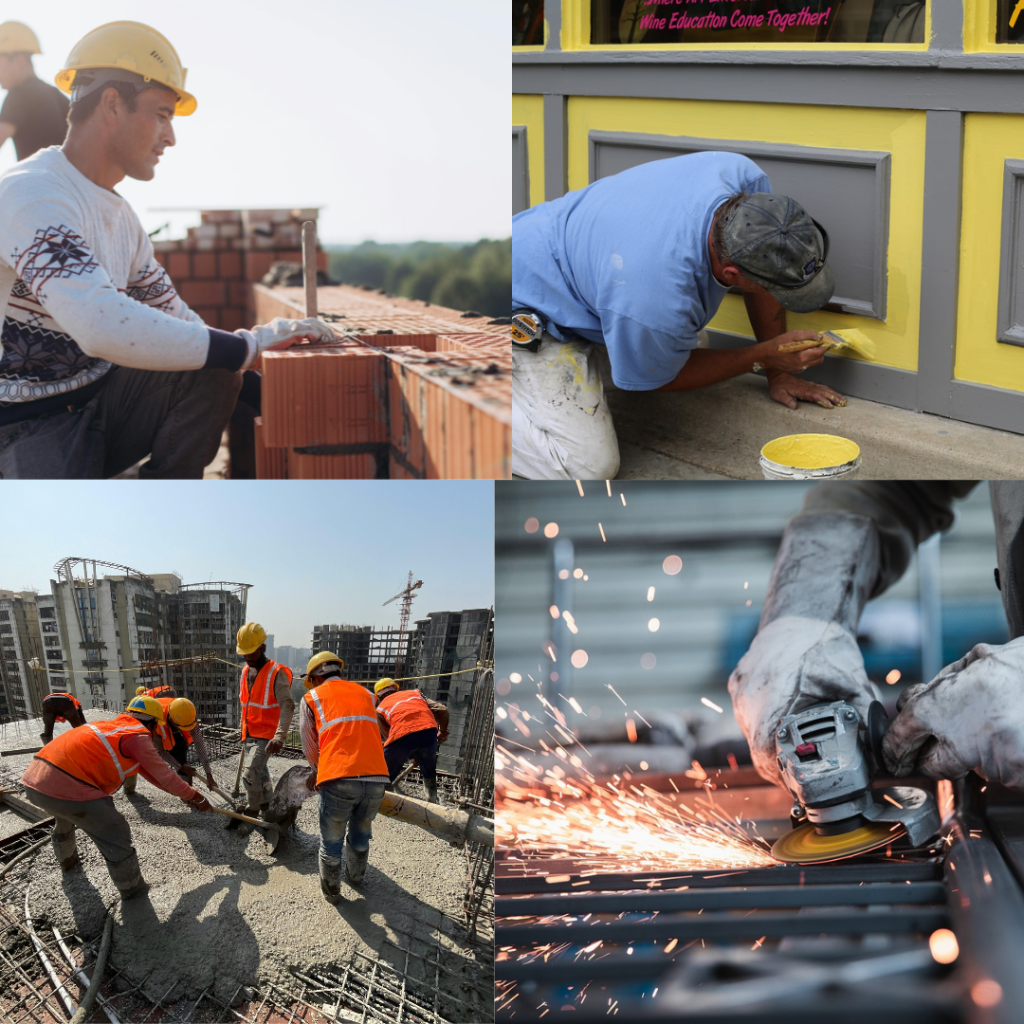
Romania’s economy has grown rapidly in recent years, creating a demand for both skilled and unskilled labor in a variety of industries, including IT, manufacturing, construction, healthcare, hospitality and agriculture. Workers who begin their careers in Romania will receive valuable European work experience and will be better positioned to pursue opportunities in other Schengen countries experiencing similar labor shortages.
5. Multinational Presence and Cross-Schengen Employment
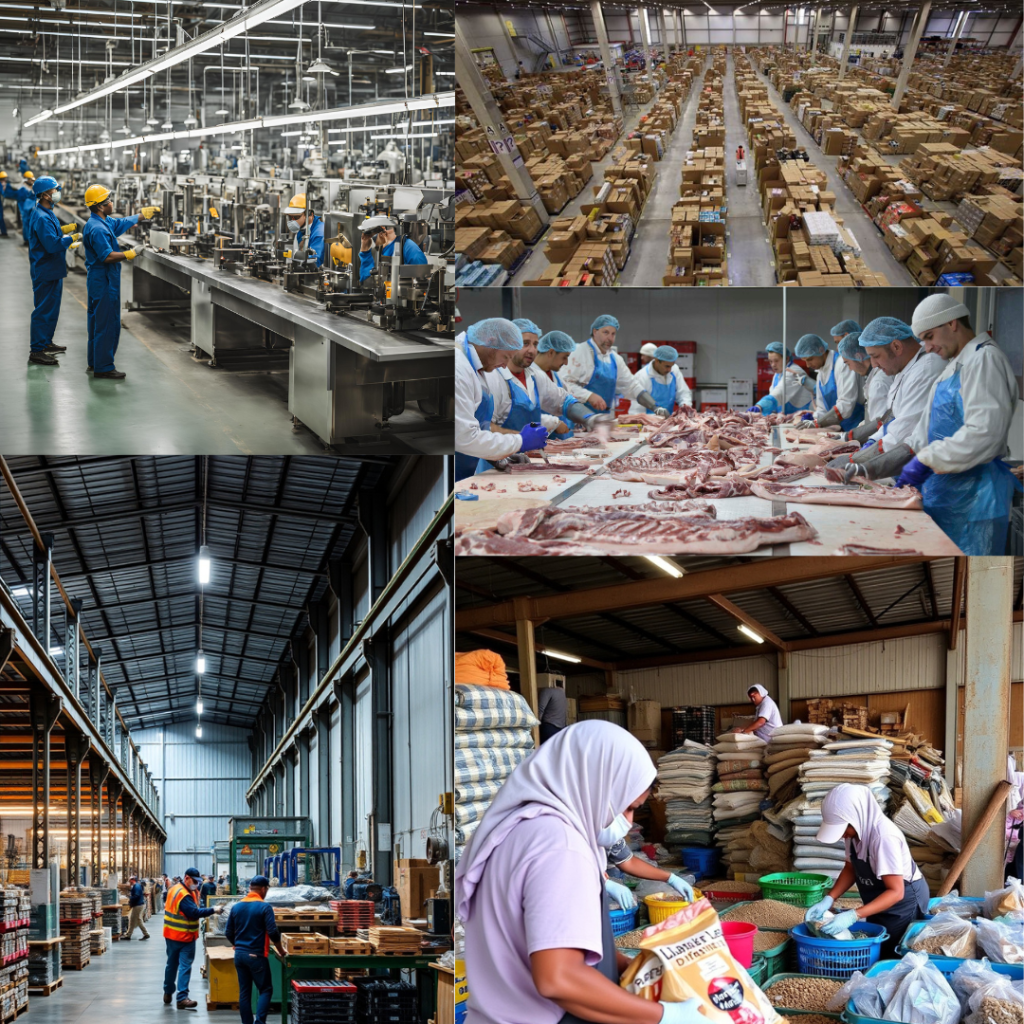
Romania is home to many multinational companies that operate throughout Europe, including Schengen countries. For skilled workers, particularly in industries like technology, engineering, and finance, securing employment in Romania could lead to internal transfers to offices in other Schengen nations. The presence of international firms also creates a network of job opportunities for unskilled workers in sectors like hospitality, logistics, and agriculture, who may later seek employment in other Schengen markets.

6. Pathways to Permanent Residency in Schengen Countries
Starting work in Romania, for both skilled and unskilled individuals, can lead to long-term potential in the Schengen Area. Workers who have worked legally in Romania for lengthy periods can easily migrate to other Schengen nations due to the zone’s integrated labor and residence rules. Furthermore, long-term resident status in Romania increases freedom and mobility throughout the Schengen area, allowing workers to explore new labor markets without requiring additional permits.
7. Attractive Cost of Living and Competitive Salaries
Romania has a lower cost of living than many other Schengen nations, which appeals to both skilled and unskilled workers. Despite this, pay for skilled individuals in industries such as information technology, engineering, and healthcare are competitive, allowing them to save more while living comfortably. Romania provides an economical entry point into Europe for unskilled people, allowing them to obtain job experience before moving on to higher-paying possibilities in wealthy Schengen countries.

8. Adaptability for Non-EU Workers
For non-EU workers, Romania offers a welcoming environment that helps them integrate into the European workforce. With its diverse and multicultural society, Romania is an ideal place for foreign workers to acclimate to European work culture, develop language skills, and build professional networks. As a Schengen member, Romania will offer even more flexibility for these workers to pursue job opportunities across the continent.
9. Professional Mobility Across the EU
Romania’s entry into the Schengen Area will increase professional mobility for both skilled and unskilled workers throughout the EU. Workers can easily pursue projects, short-term contracts, and long-term employment in other Schengen nations, benefiting from the Schengen Area’s single labor market. For experienced individuals, Romania will serve as a springboard to high-demand industries in Western European countries, while unskilled people can look for seasonal work or other opportunities that span various Schengen countries.
Conclusion
Romania’s entry into the Schengen Area transforms it into a strategic gateway for workers seeking employment throughout Europe. With simplified work visa procedures, seamless access to other Schengen countries, and an expanding economy, Romania offers a wealth of opportunities for both skilled and unskilled labor. Whether workers are looking to establish themselves in Romania or use it as a stepping stone for further opportunities in Europe, Romania’s position as a Schengen country enhances its appeal as a central hub for work visa holders.
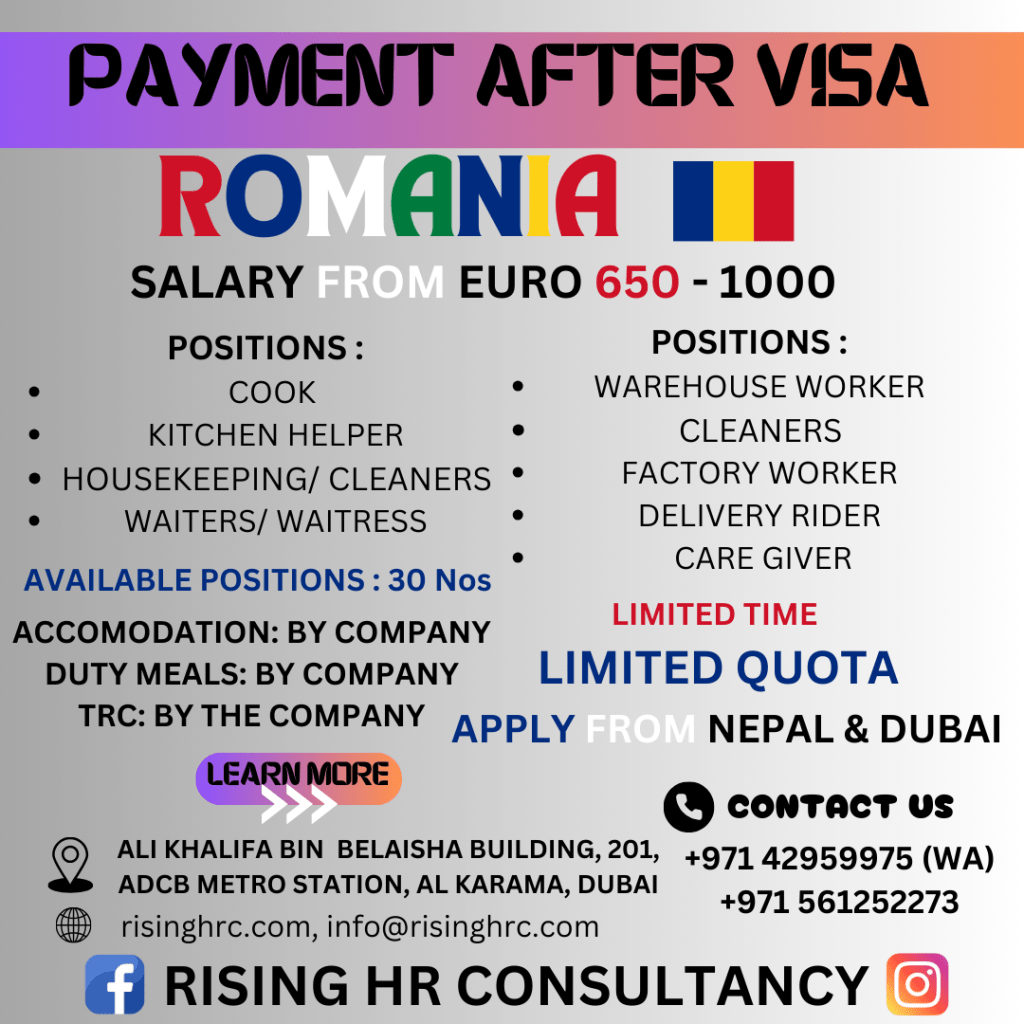
 Rising HR Consultancy
Leave a comment